Wall & ceiling profiles
AnJie CSG-2210
CEILING SHADOW GAP WITH BACKLIGHT
Aluminum profile for interior design
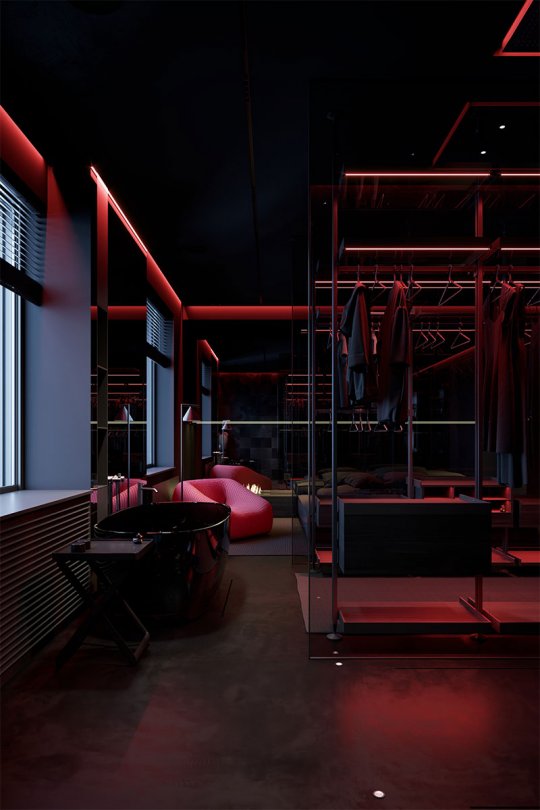
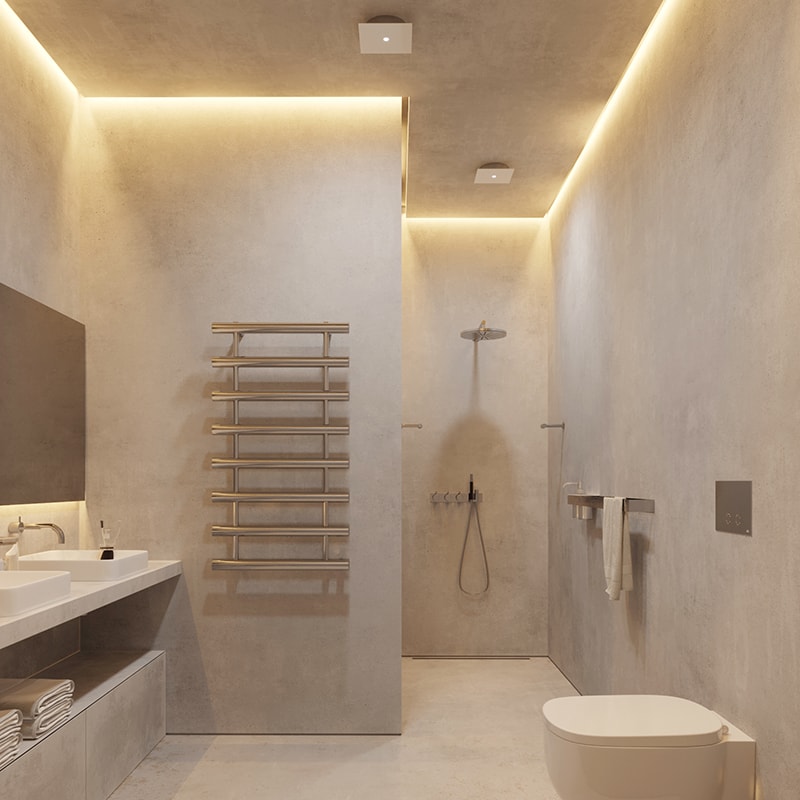
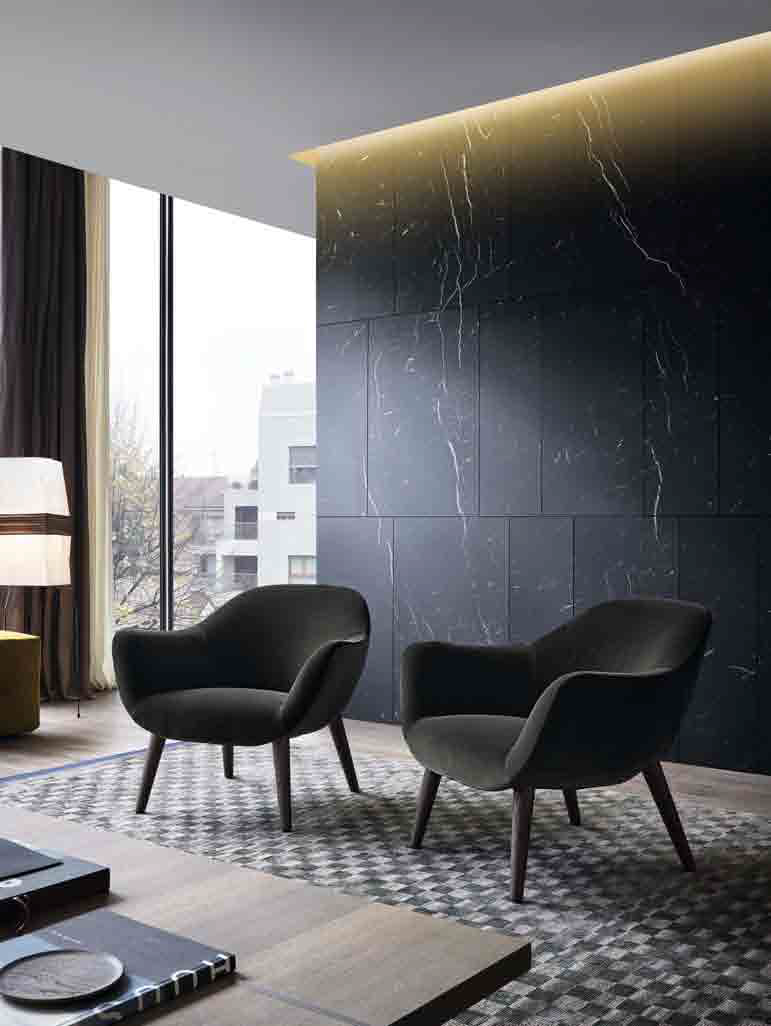
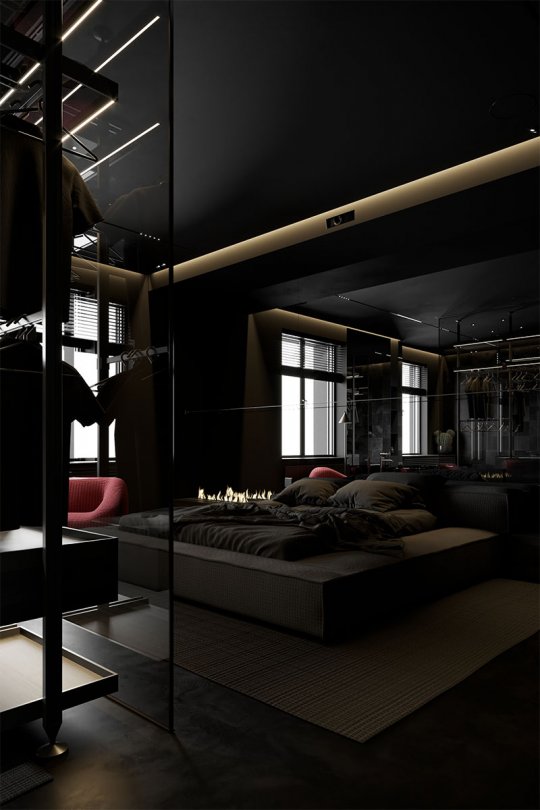
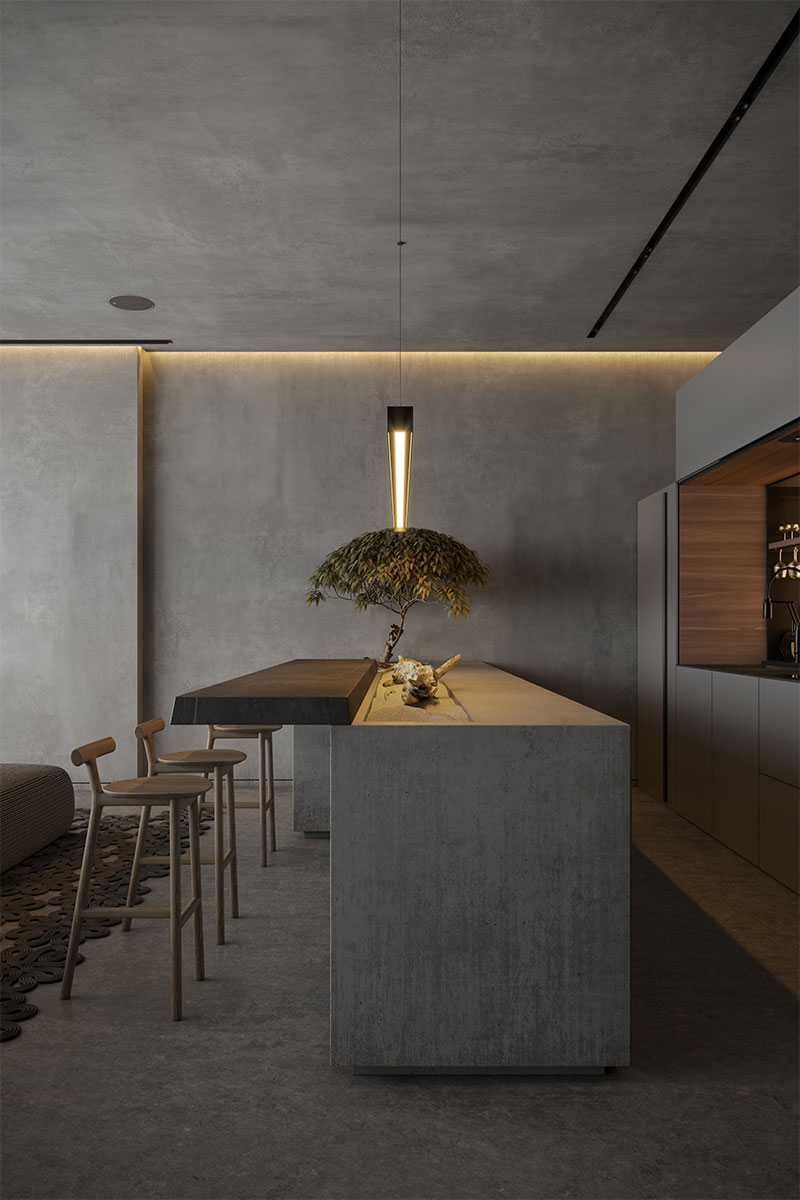
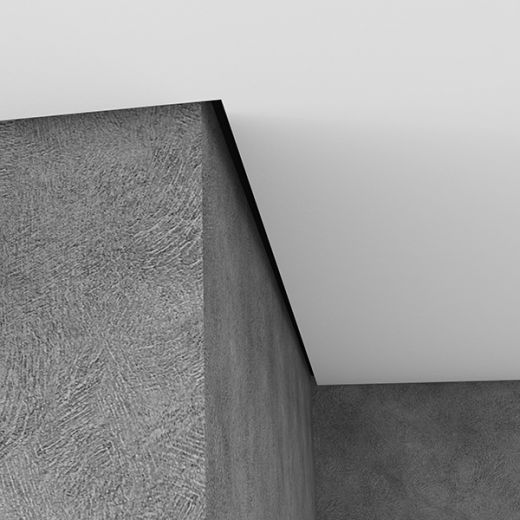
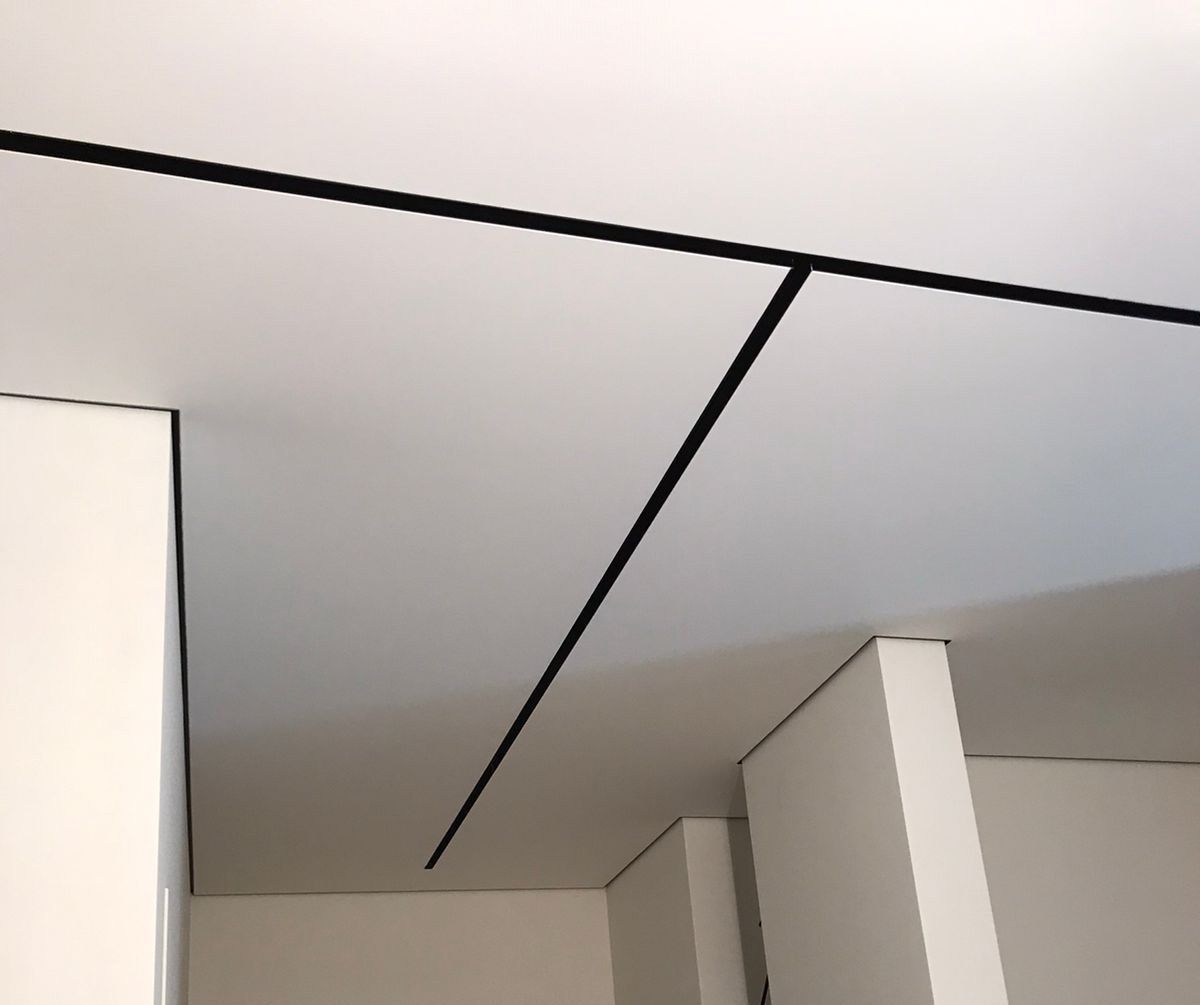
The shadow "floating " ceiling is another patented innovation of the AnJie brand, which has made a breakthrough in the field of ceiling design. The visual feature of this design is the formation of a shadow zone along the wall, and in the presence of the LED strip used, also a subtle light line.
The uniqueness of AnJie CSG-2210 lies in the fact that it, like the AnJie CSG-2220 shadow gap, creates a real feeling of a floating ceiling in space, and with the installation of an LED strip, also the possibility of additional innovative lighting.
Compared with AnJie CSG-2220, the AnJie CSG-2210 shadow ceiling profile is designed to create the thinnest of 10 mm possible gap between the wall and the ceiling.
When designing AnJie CSG-2210, the designers deliberately refused to have bumps for installing plastic light diffusers in the niche of the LED strip, because:
a. causes more inconvenience, making it impossible or difficult to replace the LED strip in the event of a malfunction,
b. the need for a plastic diffuser to diffuse light and eliminate dots has been eliminated with the development of the LED strip industry, as a wide range of LED strips with a built-in silicone diffuser is now widely available,
c. the plastic diffuser is not included in the price of such products and is offered as a separate option, which in turn makes the kit more expensive,
d. when using a plastic diffuser, a rather narrow non-ventilated air pocket is created, which contributes to an increase in temperature in the LED strip and a decrease in its service life.
AnJie CSG-2210 shadow ceiling LED strip installation recess is recessed, which makes the light source inaccessible to the eye.
AnJie CSG-2210 has 4 linear depths for the convenience of twisting self-tapping screws in various installation patterns.
AnJie CSG-2210 can accommodate both single-layer and double-layer gypsum plasterboards, as well as heat insulation or sound insulation, if necessary.
Also in the upper inner side, there is a section for the hidden location of fittings for the convenience of combining the profiles with each other and in case of cornering, leveling the tension and avoiding cracks. .